Film Scoring & Sound Design Pre-College Summer Program
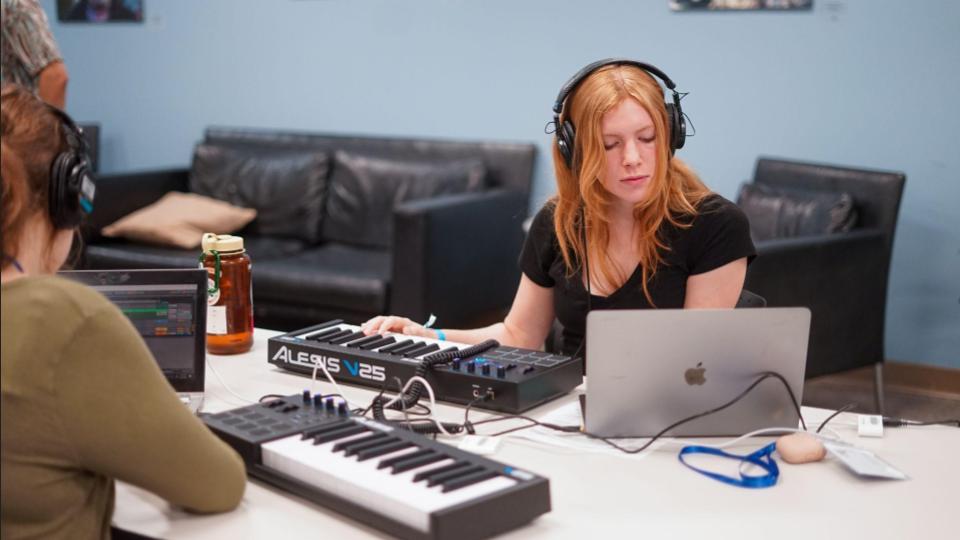
Film Scoring & Sound Design Pre-College Summer Program for High School Students
Registration Details:
- Program Dates: June 21 – 26, 2026
- Cost: $1,460 (includes lodging, meals, course materials, activities, and excursions)
- Eligibility: Open to rising high school sophomores, juniors, and seniors
- Housing & Dining: Students reside in campus residence hall and dine in campus dining hall
- Deposit & Payment: A $500 deposit is required at registration, with the remaining balance due by May 1, 2026. After that date, full payment is required upon registration. Click here to view our cancellation policy.
- Enrollment: Open until all spaces are filled
- Registration: Registration is through the Camp Doc platform. Detailed step-by-step registration instructions are available here.
Let Your Music Set the Scene
Music plays a central role in shaping how stories are experienced on screen. In this pre-college program, students explore how music supports emotion, pacing, and dramatic impact in film.
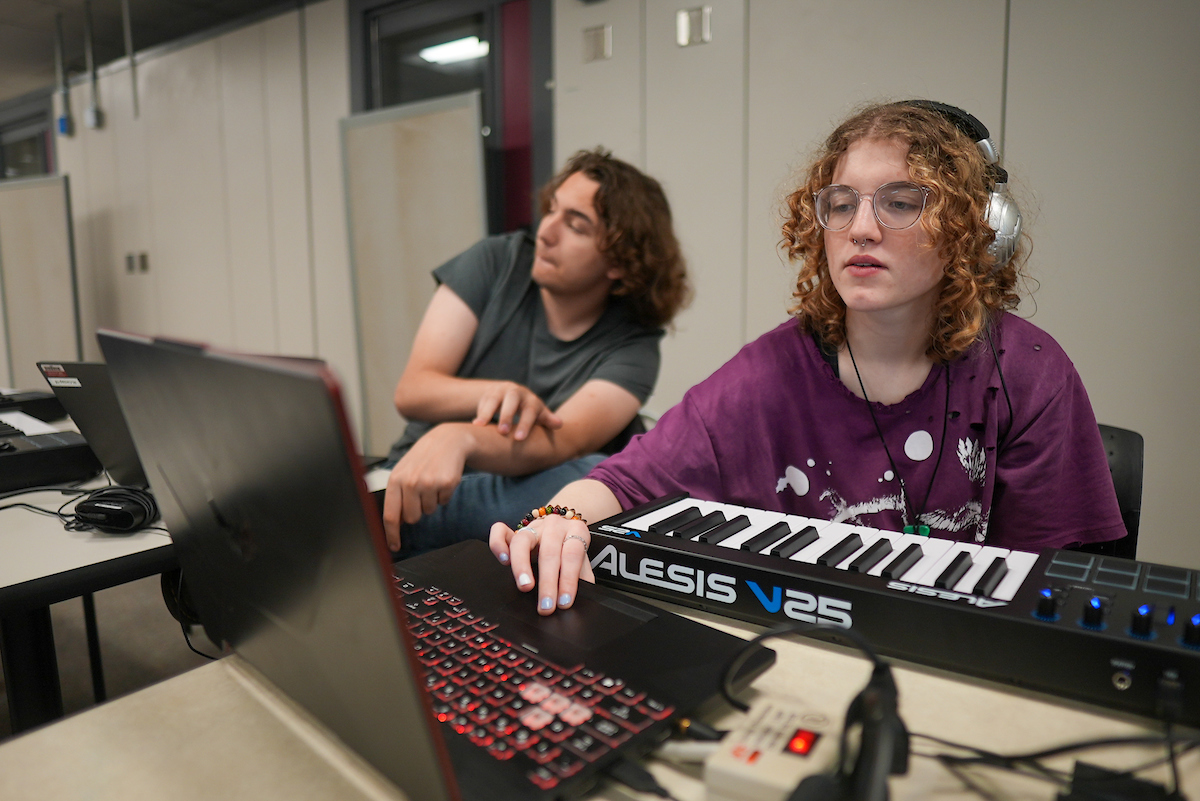
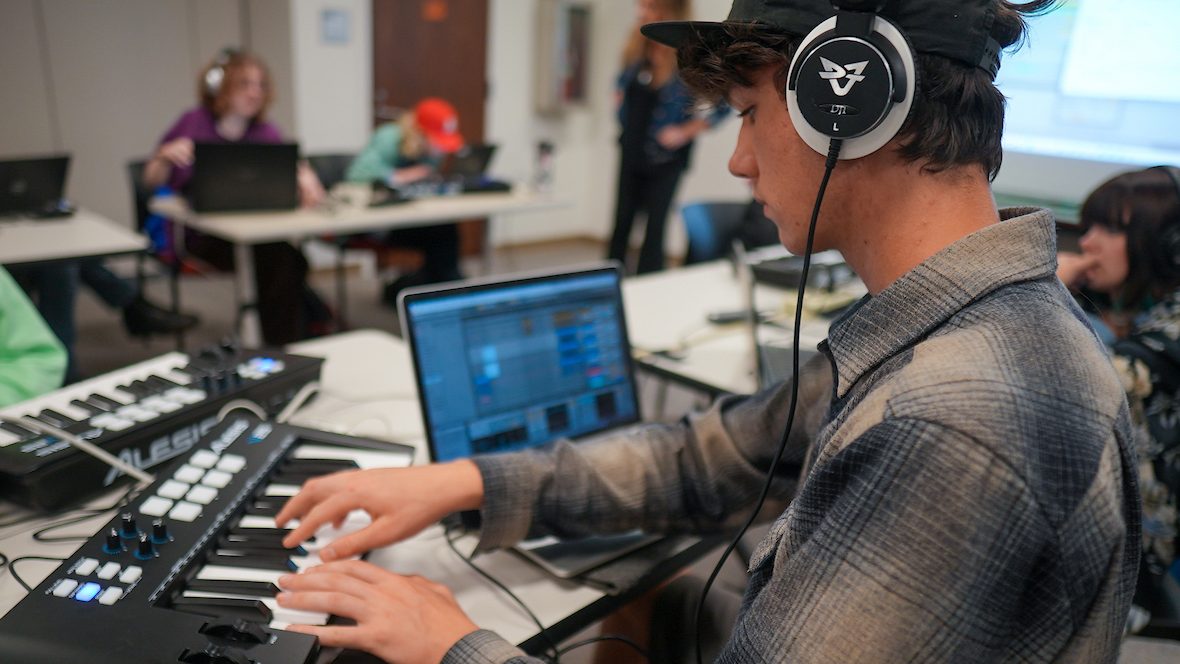
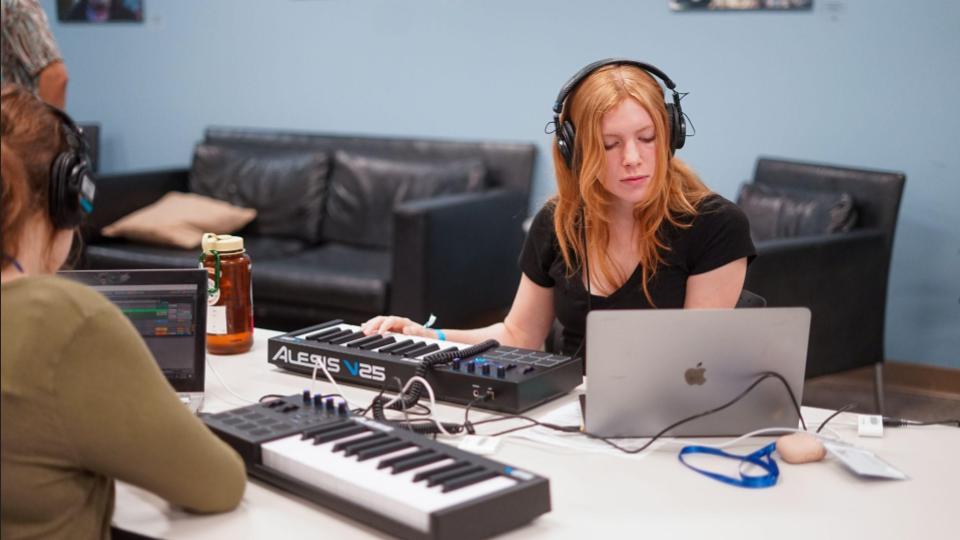
Participants will learn how to set up and navigate a Digital Audio Workstation (DAW) using industry-standard software, Logic Pro X. Students will create audio and MIDI tracks, import film scenes into the DAW, and select virtual instruments appropriate to different emotional contexts.
The class examines tempo, time signature, metronome use, and markers, and how these tools influence storytelling. Together, students analyze a film to identify where music should begin, end, or shift in mood.
Through guided exercises and one-on-one instruction, students will:
-
Compose music for scenes with contrasting emotional tones such as suspense, joy, or sadness
-
Practice syncing music precisely to visual cues
-
Score action hits, dialogue moments, and dramatic reveals
-
Experiment with adjusting tempo and time signature to explore pacing
-
Create and record short motifs for specific characters or ideas
Musicians, non-musicians, and film students are welcome.
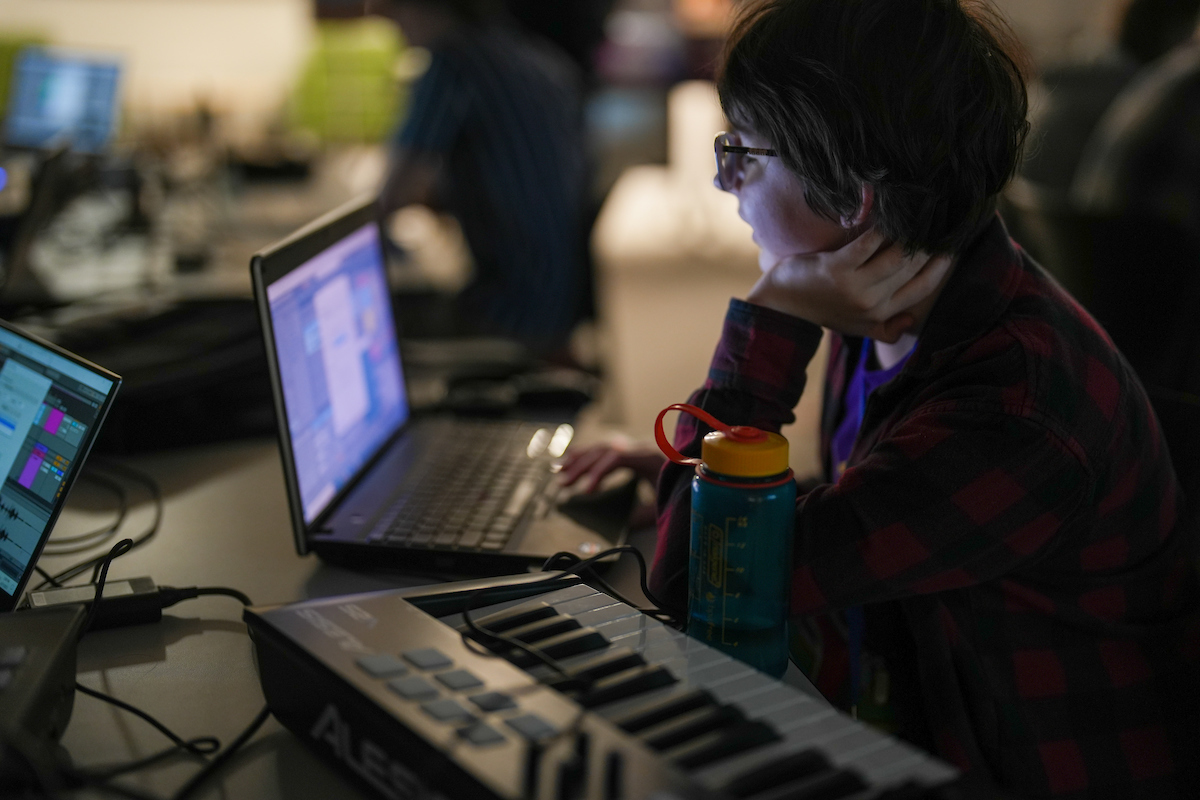
Program Topics
- Setting up your DAW (Digital Audio Workstation)
- Creating Audio and MIDI tracks
- Importing Movie to DAW
- Selection of Virtual Instruments
- Tempo, Time Signature, Metronome, Markers
- Uses of Music for Emotional Content; Themes, Motifs, Ostinatos
- Textures, Dynamics and Sound Design
- Technical Applications for Exporting Music to Film; Frame Rate, Sample Rate, Bouncing Audio Tracks
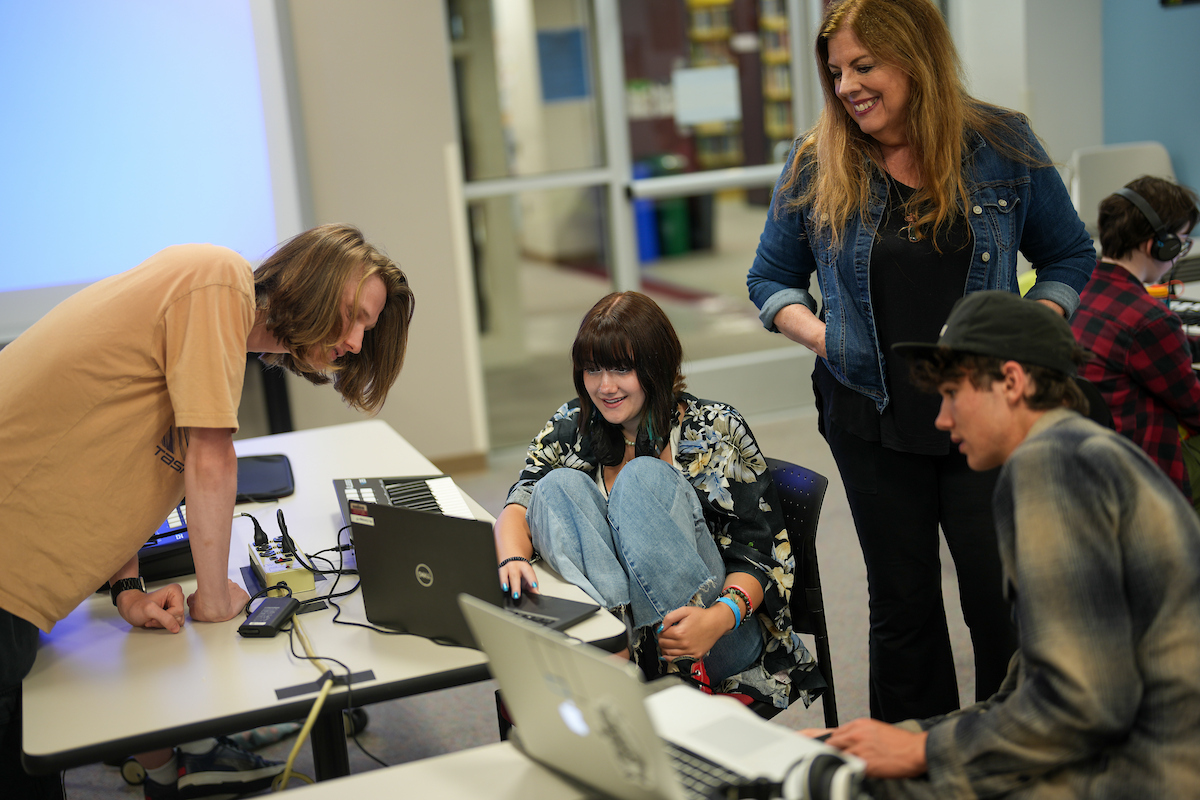
Hands on Learning
- One on one instruction using industry standard digital audio recording software Logic Pro X
- Students import scenes with different emotional tones and compose music that heightens the intended feelings such as suspense, joy, or sadness
- The class will analyze a film together to identify where music should start, stop, and change mood.
- Each student will practice syncing music precisely to visual cues, and learn how to score action hits, dialogue delivery, and dramatic reveals
- Using Logic Pro X, students study how to adjust the tempo and time signature for the same scene to explore how pacing affects the storytelling
- Create and record short musical motifs for specific characters or ideas in the scene
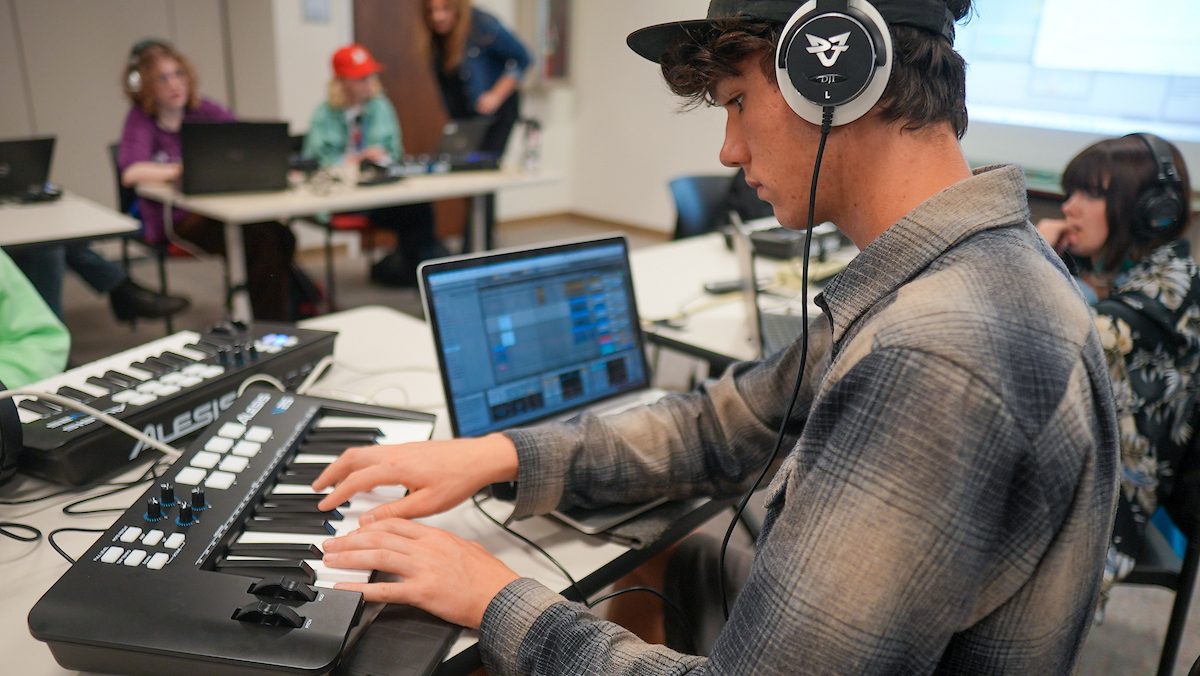
Sample Schedule:
| Morning | 8 a.m. – Breakfast 9 a.m. – Creating the emotional musical impact and dynamics of a scene 12 p.m. – Lunch & free time |
| Afternoon | 1 p.m. – Understanding tempo tapping, markers and volume levels for music with dialogue |
| Evening | 5 p.m. – Dinner 6:30 p.m. – Activities / Recreation / Free Time Options could include: sand volleyball, Asheville Tourists game, game night, movie 11 p.m. – Lights out |
Meet Your Faculty
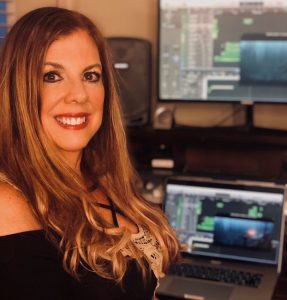 Janet Rabin Phillips earned her master’s degree from the North Carolina University School of the Arts in film music composition. She studied under David McHugh (film composer for Mystic Pizza and Three Amigos) and studied audio recording by John Sisti (Oscar winner for Best Sound in Bram Stokes’ Dracula).
Janet’s skills include music for film, television shows, documentaries, animations, commercials and sound design for games. Janet’s most recent accomplishments are music scores for The Continuum Project and The Healer, commercials for Furnitureland South and The Museum of Science Fiction as well as game sound design for Virtual Heroes.
Janet is a producer and owner of Cinematic Cues, a music licensing company for film. Janet has also taught college courses in music composition, audio recording, sound design and digital effects processing.
janetrabinphillips.com
cinematiccues.com
Questions? Please contact us at precollege@unca.edu.