Creative Disruptions: AI, Memes, and Critical Examination of Social Media

Course Description
We live inside digital systems that influence what we see, what we believe, and how we express ourselves, yet most of us rarely stop to examine how those systems actually work. This dynamic first-year seminar invites students to embark on a multidisciplinary exploration of the intersection between artificial intelligence (AI), internet memes, and social media platforms, and through a critical lens, examine the transformative impact of these digital phenomena on contemporary culture, communication, and creativity. Students will delve into the creative potentials and ethical considerations of AI-driven technologies, exploring how algorithms shape content, influence user behavior, and redefine the boundaries of artistic expression.
Through case studies, discussions, and hands-on projects, students will analyze the role of memes as cultural artifacts, tools of political expression, and catalysts for social change within the digital landscape. Students will be encouraged to question and critique the societal implications of social media platforms, considering issues such as digital privacy, misinformation, and the commodification of online identity in order to meaningfully navigate and engage with an increasingly interconnected world.
Faculty Spotlight
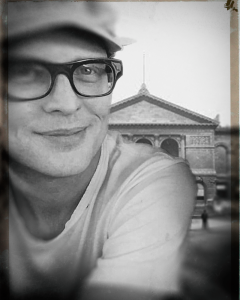
Peter Kusek – Assistant Professor, New Media
Academic background
Peter Kusek’s academic background is rooted in interdisciplinary work that connects digital culture, media studies, and emerging technologies. He is particularly interested in how platforms like social media and tools powered by artificial intelligence are reshaping communication, creativity, and cultural production. Kusek’s work draws on approaches from fields such as media studies, cultural analysis, and contemporary new media art, allowing him to examine both the technical and human dimensions of our digital lives.
What makes this course meaningful for students?
Peter Kusek teaches this course because these technologies are not just tools—they are actively shaping how people think, communicate, and understand the world. While students are already immersed in this environment, the course gives them the opportunity to step back, critically examine it, and potentially redefine their relationship with technology.
He hopes students gain the ability to analyze digital culture with both creativity and skepticism: to see memes not just as entertainment, but as cultural artifacts; to understand how algorithms influence what they see and believe; and to think carefully about the ethical implications of AI and social media.
At the same time, he wants students to feel empowered as creators. Through projects and discussions, they experiment with these tools, reflect on their own digital identities, and develop a more intentional relationship with the platforms they use every day. Ultimately, Peter’s goal is for students to leave the course better equipped to navigate—and thoughtfully contribute to—an increasingly complex digital world.
Favorite spot in Asheville
Kusek’s favorite local spot is Asheville Pizza & Brewing, which he enjoys for its proximity, affordability, and personality.